.png)
 Edu Zirat
How to Start Hydroponic Farming in Africa (Step-by-Step Guide for 2026)
Africa is entering a new agricultural era.
With rapid population growth, increasing food demand, and rising environmental challenges, traditional farming alone is no longer enough. Across the continent, innovators and young entrepreneurs are turning to hydroponic farming—a method that grows plants without soil.
If you’ve ever wondered:
“Can I start a hydroponic farm in Africa?”
The answer is clear: Yes—and the opportunity has never been bigger.
What is Hydroponic Farming?
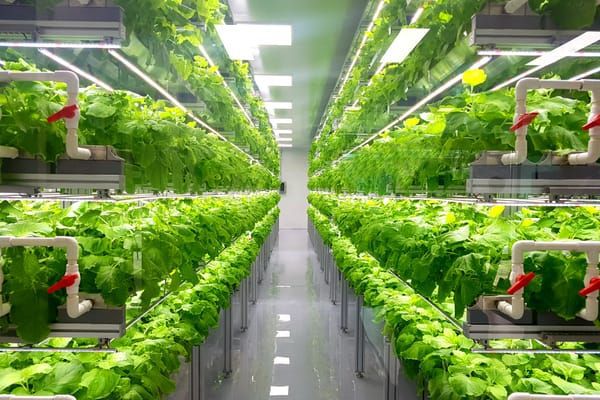
Hydroponics is a modern agricultural method where plants grow in nutrient-rich water instead of soil.
This allows you to:
Use up to 90% less water
Grow crops faster
Produce food year-round
Farm in cities, deserts, or small spaces
Why Hydroponics is Perfect for Africa
💧 Water scarcity
🌡️ Climate change and extreme weather
🌾 Limited fertile land in urbanizing areas
Hydroponics offers real solutions:
Efficient water usage
Controlled growing environments
Ability to farm anywhere—from Lagos to Nairobi to Casablanca
Step-by-Step: How to Start Hydroponics in Africa
1️⃣ Choose the Right System
NFT (Nutrient Film Technique)
DWC (Deep Water Culture)
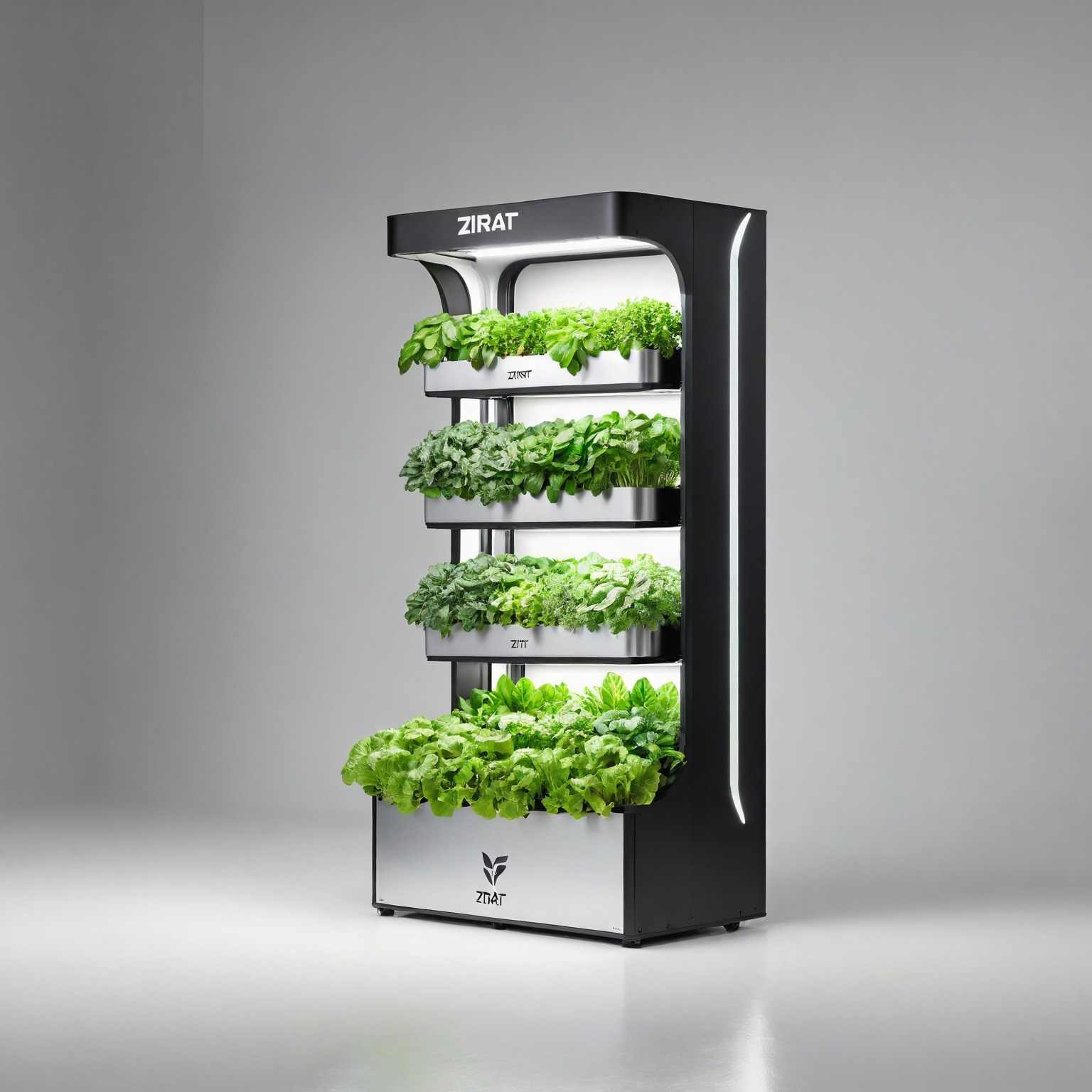
Vertical towers
Ideal for beginners and low-budget setups
Select High-Demand Crops
Best crops across African markets:
Lettuce 🥬
Spinach 🌿
Herbs (mint, basil)
Tomatoes 🍅
Strawberries 🍓
Focus on crops that grow fast and sell easily
Create Your Growing Environment
Natural sunlight or LED grow lights
Reliable water source
Nutrient solution
Basic temperature control
You can start from a small indoor space or backyard
Master pH and Nutrients
This is the key to success:
Maintain pH between 5.5 and 6.5
Monitor nutrient levels (EC)
Healthy roots = healthy profits
Start Small, Then Scale
Begin with:
A home or pilot system
Test production and demand
Then expand to:
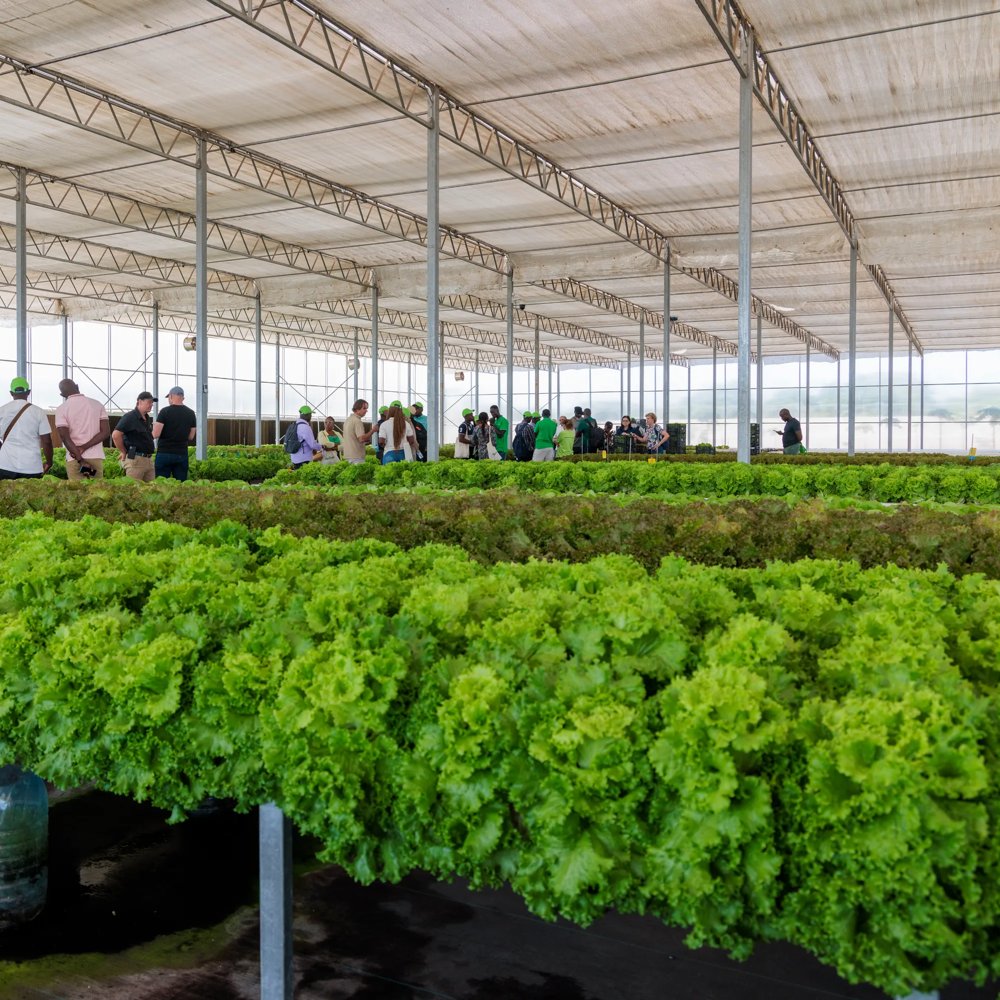
Greenhouse farming
Supplying restaurants and supermarkets
Building a commercial farm
Is Hydroponic Farming Profitable in Africa?
Key advantages:
Faster production cycles
High-quality, pesticide-free crops
Premium pricing in urban markets
Strong demand from hotels, restaurants, and supermarkets
Many entrepreneurs are turning hydroponics into sustainable businesses